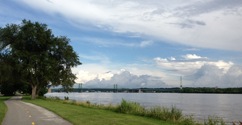
Working together, we can help to lower the level of future flooding on the Mississippi River, control storm water runoff and reduce pollution of streams and rivers. You can make a difference to reduce runoff and pollution from storm water. In urban areas, rain, melting snow or any water that doesn't soak into the ground flows into a community's storm sewers. The water draining into storm sewers goes directly into lakes, streams and rivers, carrying with it a variety of pollutants ranging from soil, road salt, pesticides and fertilizers, to oil, grease, leaves and litter. (Contrary to popular belief, most storm sewers don't carry water to waste water treatment plants. Only in some older communities are storm and sanitary sewers combined.) The 'Retain The Rain Virtual Kiosk' below is a fun, interactive program that calculates stormwater savings when you enter the dimensions of your roof, yard, or office project.
CLICK HERE to start virtual kiosk.
Additional resources
With greater development of a watershed and more storm water runoff, stream and river levels increase faster and reach higher levels than before urbanization. In some areas, storm water runoff leads to erosion of streambanks, damages fish habitat and destroys property. Storm water runoff is difficult to control because it comes from every street, sidewalk, driveway, yard and parking lot. Consequently, managing a community's storm water runoff requires the participation of all residents. Only with all members of the community working together can storm water be managed and controlled.
Retain the Rain is an effort to raise awareness about storm water runoff and its damaging effects, and provide residents with ways to reduce storm water runoff from their property. Those property owners adjacent to wetlands, streams, lakes and rivers play a key role in the effort to manage storm water runoff.
So what should I do? The next time it rains, observe where the water runs off your property. Does the water coming out your downspouts, rooftop, sidewalk or yard soak into the ground quickly? Or, does it flow off the lawn, yard and driveway into the gutter and storm sewer drain? Are locations where runoff is occurring possible sources of contamination from oil, grease, pesticides or herbicides? Is erosion of soil apparent? Here is a list of common sources of storm water pollutants:
Once you've assessed your property, consider ways to control/manage your storm water runoff, including:
To prevent pollution of streams/rivers:
6 simple things you can do to save the Mississippi River With stormwater runoff fees and increased concern about contamination of water supplies and flooding, it makes sense to seek ways to reduce rainfall runoff from residential lots through the use of native plantings and simple retention projects.
This handbook outlines the most common retention projects to retain water on your property, allowing it to soak into the ground rather than flow into storm sewers. Most of the projects make use of native plantings because of their ability to soak up water and stabilize the soil. Native plantings are adapted well to the local environment, providing color to yards from May through October and refuge for birds, butterflies and other insects. They're also more tolerant during periods of drought.
This booklet gives you detailed plans and specifications for building the retention projects, along with estimated costs for the improvements. The projects range from simple actions, such as installing a rain barrel to capture water from your roof, to more complex jobs, such as installing a green roof. All have been or are planned for the Quad Cities area. You'll also find a Resource List of suppliers, landscapers, contractors, architects, and sources of other products and services you need in order to install the retention projects. The Shoppers Guide provides specific information about the projects featured in the photographs throughout this handbook. Working together, one home or business at a time, we can help reduce stormwater runoff in our community and improve the water quality of our streams, lakes and rivers -- most notably, the Mississippi River. CLICK HERE, or on the image above to download the 32-page "Six Simple Things. . ." booklet.